The front of a pet food bag is advertising. The back is information. Learning to read the back, the ingredient list, the guaranteed analysis, and the feeding guide, takes about two minutes once you know what each part actually promises, and it tells you far more than a picture of a wolf or a farmhouse ever will.
Seasons are a good prompt to do it. Dogs in Tega Cay eat differently across the year: activity drops in the heat of a Piedmont summer, rises on cool fall walks, and holiday months bring extra treats from visiting hands. A label check each season keeps the food, and the amount, matched to the dog in front of you.
Ingredients: order matters, names matter
Ingredients are listed by weight before cooking, heaviest first. A named meat such as chicken or salmon as the first ingredient is a clearer signal than a vague term like meat meal, though meals themselves are concentrated protein and are not a defect. What you are checking is specificity: named sources you can identify, in the first few lines.
Watch for ingredient splitting, where peas, pea protein, and pea fiber appear as separate lines so each weighs less and sinks down the list, even though together they may outweigh the meat. Also note that fresh meat is mostly water, so a food led by fresh chicken may deliver less protein per cup than one led by chicken meal. Neither fact makes a food bad; both change how you read the ranking.
Fillers is a marketing word, not a nutritional category. Corn, rice, and other grains provide energy and nutrients many dogs digest well. Judge a food by its analysis and how your dog does on it, not by whether an ingredient sounds fashionable.

The guaranteed analysis and the statement that matters most
The guaranteed analysis lists minimum protein and fat and maximum fiber and moisture. Those numbers describe percentages, not quality, and they are hard to compare between a dry kibble and a wet food because moisture skews everything. As a rough comparison, subtract the moisture percentage from one hundred and divide the protein by what remains to get a dry-matter figure.
The most important line on the bag is often the smallest: the nutritional adequacy statement. It says whether the food is complete and balanced, and for which life stage, growth, adult maintenance, or all life stages, and whether that claim rests on feeding trials or on meeting a nutrient profile. A food without that statement is a treat or supplement, not a diet.
Puppies, pregnant dogs, and seniors have genuinely different needs, so match the statement to your dog's stage. Feeding an all-life-stages food to an adult is common and acceptable, but the calorie density is usually higher, which brings feeding amounts into the picture.
Feeding math and the seasonal check
The feeding guide on the bag is a starting estimate for an average dog, and many house dogs need noticeably less. Find the calories per cup on the label, weigh your dog's condition honestly (you should feel ribs under a thin layer of fat, not hunt for them), and adjust in small steps over two weeks rather than making one big cut.
Use the checklist below at the turn of each season. It takes one bag, one measuring cup, and five honest minutes.
Seasonal label check
- Nutritional adequacy statement present, and matched to your dog's life stage: pass if it says complete and balanced for that stage
- First ingredients are named protein sources you can identify: pass if you can say exactly what animal they came from
- Calories per cup noted, and your daily amount measured with a cup or scale, not poured by eye
- Dog's body condition checked by hand: pass if ribs are easy to feel with light pressure and a waist is visible from above
- Treats counted as part of the day's food, and kept to a small share of total calories
- Bag stored sealed, cool, and dry, with the lot code kept until the bag is finished
When the label is not the problem
Loose stools, itching, or weight change on a food your dog has eaten for months are not always the food's fault. Parasites, table scraps, a new treat, and thyroid or other medical issues all produce the same signs. Change one thing at a time, give a new food a gradual transition over about a week, and involve your veterinarian when signs persist.
Staff at Bubbles N' Bows Doggie Salon see the outside results of feeding every day in coat and skin condition. A dull coat on adequate food is worth a vet conversation, not just a bag switch.
Common questions
Is grain-free food better for my dog?
Not automatically. Grain-free foods replace grains with legumes or potatoes, which is a trade, not an upgrade, and regulators have studied a possible link between some such diets and heart disease. Discuss it with your veterinarian.
How do I switch foods without upsetting my dog's stomach?
Mix increasing amounts of the new food with decreasing amounts of the old over about seven days. Slow down the transition if stools soften along the way.
Should I feed the amount printed on the bag?
Treat it as a starting point only. Neutered, indoor, and older dogs often need less, so adjust by body condition and recheck every few weeks.
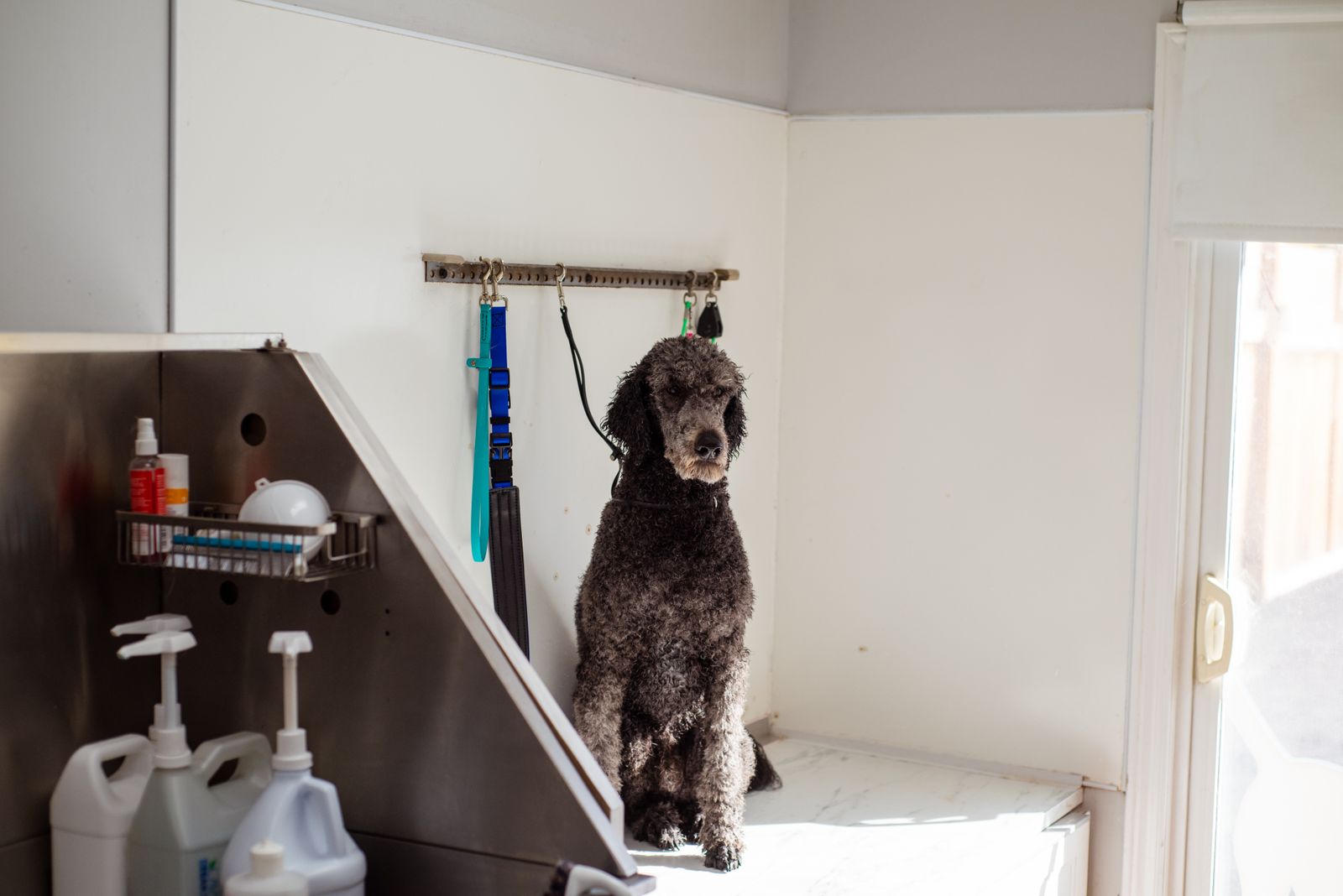
Photos in this guide are representative stock images.
← All guides from Bubbles N' Bows Doggie Salon← Back to Bubbles N' Bows Doggie Salon